The challenge
The world the next generation of delegates will govern is being shaped by three forces simultaneously: a climate system that is changing faster than any policy framework was built to handle, a wave of technological capability — artificial intelligence, autonomous systems, planetary-scale surveillance — that has outrun its regulators, and a geopolitical environment in which the basic assumptions of the post-1945 order are openly contested. Each of these on its own would be the defining problem of a decade. They are arriving together.
Innovation is no longer optional, and neither is sustainability. The question is whether they can be made to reinforce one another — whether the same nations developing new technologies can also build the institutions, treaties, and norms that prevent those technologies from accelerating the very crises they were meant to solve. Akademiet MUN 2026 asks delegates to take that question seriously, in every committee, on every agenda issue.
How committees address it
The three committees of Akademiet MUN 2026 each take one face of the theme and treat it in depth.
- DISEC — The Strait of Hormuz. Maritime security, freedom of navigation, and the geopolitics of energy transition. How does the international community keep a critical chokepoint open as the world simultaneously decarbonises and grows more contested?
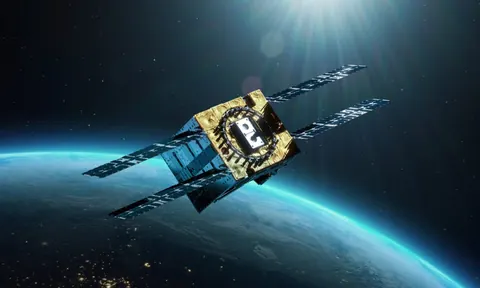
- SOCHUM — Surveillance Satellites. The regulation of military and dual-use surveillance from orbit. Where does national security end, where do privacy and the peaceful use of outer space begin, and who writes the rules?
- ECOSOC — The Global Refugee Crisis. Strengthening international cooperation on displacement. Climate, conflict, and economic shocks are producing flows of people that no single state can manage; the committee asks what genuine cooperation would look like.
The committees are deliberately distinct in mandate, but the underlying question is shared: what does sustainable innovation look like in this domain — and what does its absence cost?
What we expect from delegates
We expect delegates to read past the headlines. The strongest position papers we receive will not simply restate a country's stated position on a topic; they will engage with the trade-offs that position implies, the constituencies it serves, and the alternatives it forecloses. Innovation is rarely cost-free. Sustainability is rarely automatic. Good MUN debate makes those tensions visible rather than hiding them behind procedural language.
The resolutions delegates draft in Sandvika in May 2026 will not, of course, govern the world. The skills they build doing so are another matter. Read carefully, write precisely, and argue in good faith — that is what the theme demands, and that is what we are looking forward to.